The Great Migration - Serengeti
One of Africa’s most extraordinary wildlife experiences.
— Mandi, co-Director of African Fusion Travel
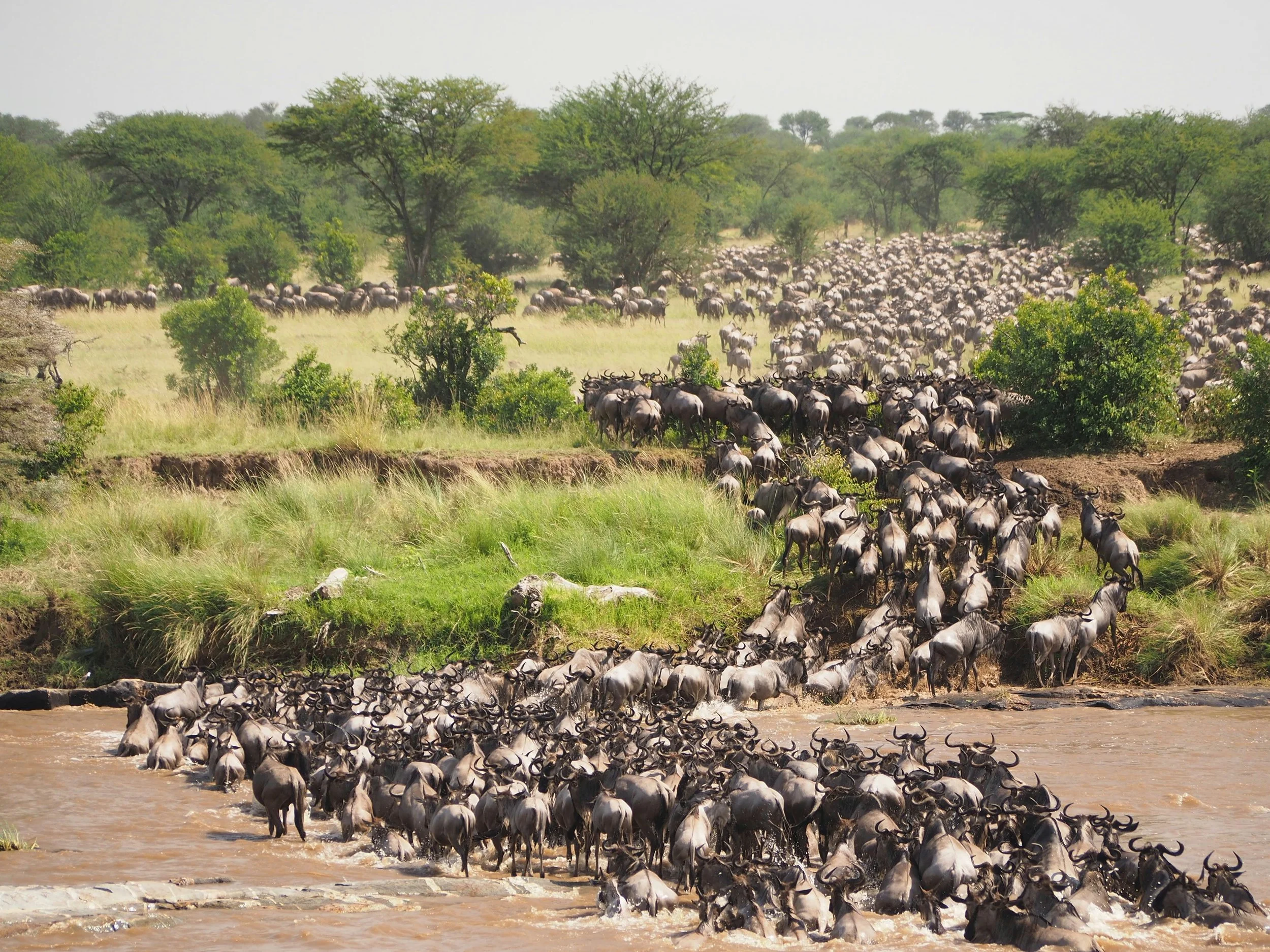
Every year, across the vast plains of northern Tanzania and southern Kenya, one of the greatest natural spectacles on Earth unfolds. Known as the Great Migration, this remarkable journey sees more than 1.5 million wildebeest, along with hundreds of thousands of zebras and gazelles, moving across the Serengeti ecosystem in search of fresh grazing and water.
At African Fusion Travel, the Great Migration is one of the safari experiences we love planning most for our clients. It’s dramatic, unpredictable and completely driven by nature – and from our own travels through the Serengeti, it’s something that truly has to be seen to be believed.
Standing on the open plains while thousands of animals move across the landscape is a moment that stays with you forever. The distant rumble of hooves, dust rising in the sunlight, predators watching from the sidelines – it’s the African wilderness at its most raw and authentic.
What is the Great Migration?
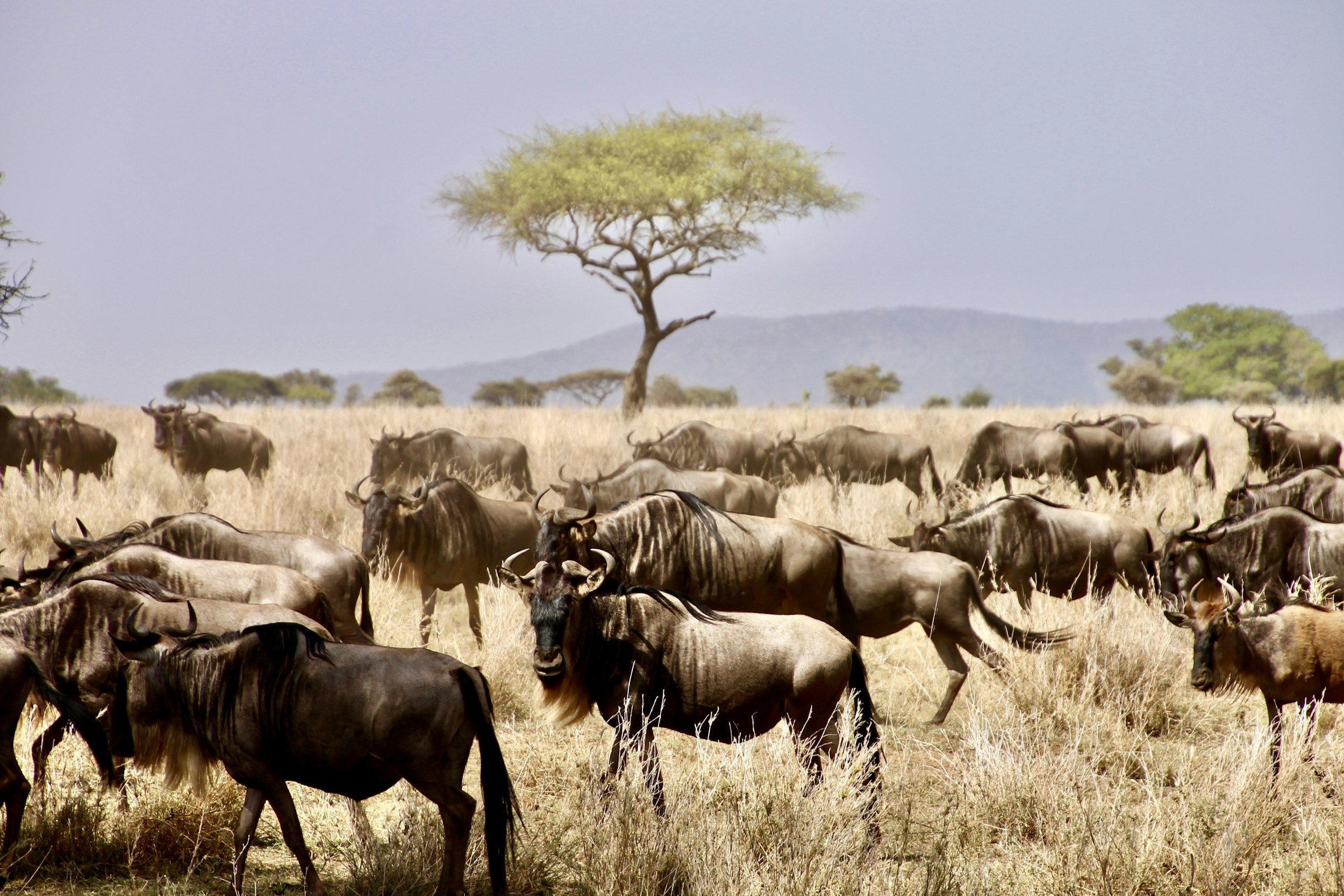
It’s a year-round movement of wildlife across the Serengeti–Mara ecosystem, following seasonal rainfall and the growth of fresh grass. While it’s often spoken about as a single “event,” the migration is actually a continuous circular journey that unfolds throughout the year across Tanzania’s Serengeti National Park and into Kenya’s Masai Mara.
The migration is driven almost entirely by instinct and survival. As grazing areas become depleted, the herds move onwards, following the rains and the promise of greener pastures. Along the way they face numerous challenges – from powerful river crossings to predators that rely on the herds for survival. The result is one of the most dynamic and fascinating wildlife ecosystems on the planet.
The Different Phases of the Migration
One of the most common questions we receive from clients is: “When is the best time to see the Great Migration?” The truth is that the migration can be experienced throughout the year, depending on what part of the journey you would like to witness.
Calving Season (January – March)
During the early months of the year, the herds gather on the southern Serengeti plains and Ndutu region, where the grasses are nutrient-rich and ideal for newborn animals. This is when hundreds of thousands of wildebeest calves are born, often within a few short weeks. It’s an incredible time to visit, as predator activity is high and the plains are filled with wildlife.
For photographers and wildlife enthusiasts, this period offers some of the most rewarding game viewing in Africa.
Herd Movements Across the Serengeti (April – June)
As the rains begin to shift and the southern plains dry out, the herds gradually start moving north and west through the central Serengeti. During these months the migration forms massive columns of animals moving across the landscape. While river crossings are not yet the focus, the sheer scale of the herds can be astonishing.
This is also a beautiful time of year in the Serengeti, with dramatic skies, fewer vehicles and exceptional game viewing.
Mara River Crossings (July – October)
For many travellers, the river crossings in the northern Serengeti are the most iconic moments of the Great Migration. As the herds reach the Mara River, they must cross crocodile-filled waters to continue their journey north into Kenya’s Masai Mara. These crossings are unpredictable and often chaotic, with thousands of animals plunging into the river at once.
It’s a powerful reminder of the raw forces of nature – and witnessing one in person is something very few people ever forget.
Why the Serengeti is So Special
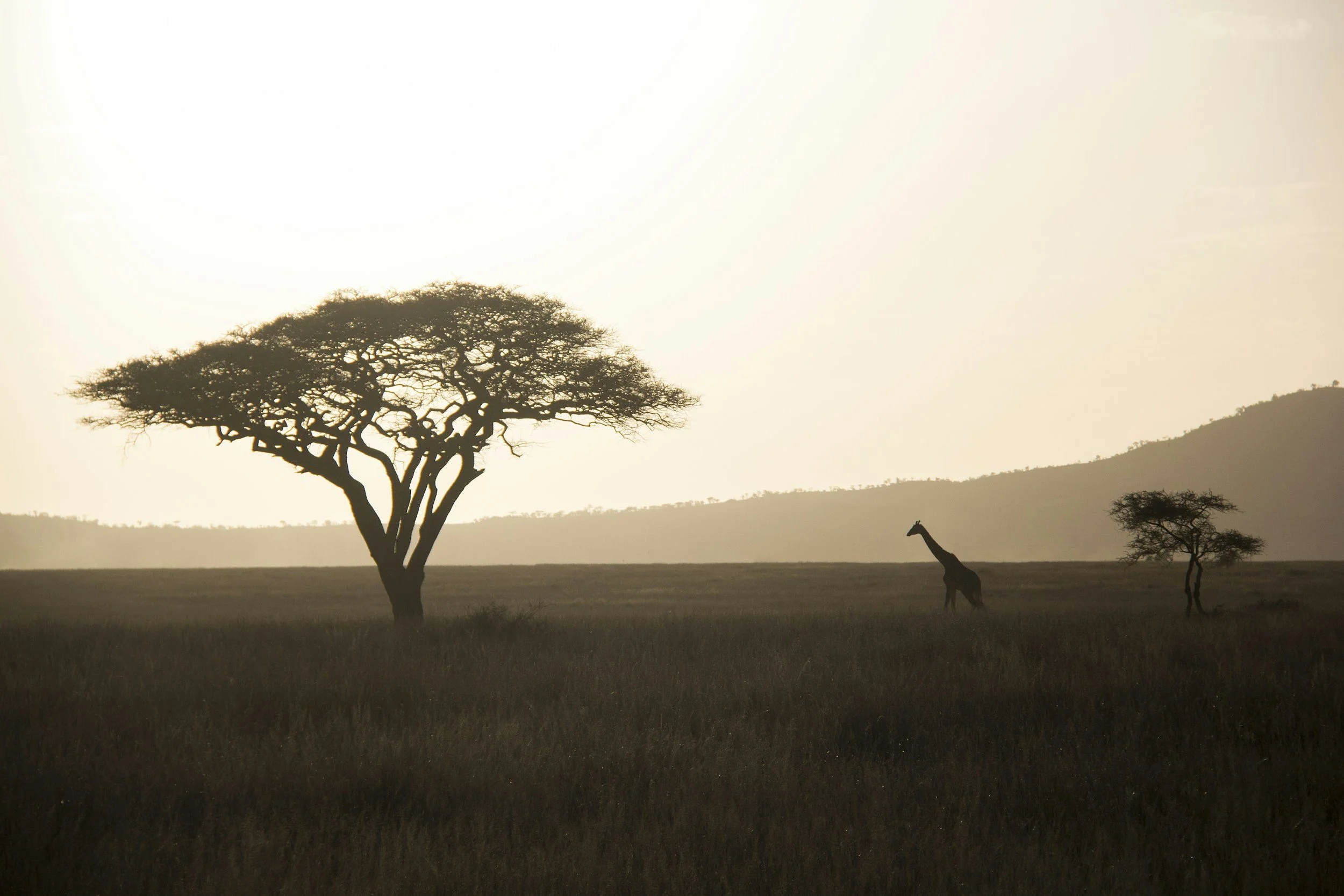
The Serengeti is not only famous because of the migration. It’s also one of the most wildlife-rich ecosystems in Africa.Even outside of migration season, visitors can expect exceptional sightings of lion, leopards, cheetah, elephants, giraffes, buffalo, hyenas, and an incredible array of birdlife.
Why Choosing the Right Camp Matters
Because the migration is constantly moving, location is everything when planning a safari. The key to a successful migration safari is staying in camps that are positioned along the migration route for the specific time of year you are travelling.
At African Fusion Travel, we work closely with trusted safari camps across the Serengeti to ensure our clients are in the right place at the right time. With the migration shifting throughout the year, careful planning can make all the difference between simply visiting the Serengeti and truly experiencing the migration.
So if the Serengeti is whispering your name, ask us for a quote and let us curate your perfect safari.